

Apple Watch vs Fitbit: Which Fitness Tracker Actually Wins?
Two market leaders. One clear winner for health-conscious consumers who want more than step counts.
The Smartwatch vs Fitness Tracker Debate
Fitbit built the consumer fitness tracker category. Apple Watch redefined what a wearable could do. If you’re weighing Apple Watch vs Fitbit in 2024, the real question isn’t just price — it’s whether you want a fitness tracker or a medical-grade health companion on your wrist.
What This Comparison Covers
Health Metrics Accuracy
Heart rate, SpO2, ECG, skin temperature, and FDA-cleared sensors — how reliably does each device measure what it claims?
App Ecosystems
From third-party fitness apps to native health dashboards, the software experience shapes how useful your data actually is.
Battery Life
Fitbit’s multi-day endurance vs Apple Watch’s daily-charge model — the trade-off every buyer has to weigh up.
Design & Wearability
Build quality, display, comfort across all-day wear, and the style factor that makes you actually keep it on.
Price & Value
Entry-level Fitbits start under $100; Apple Watch Series 9 starts at $399. We break down what you get at each price point.
Health Metrics Accuracy: Medical-Grade vs Consumer-Grade
Apple Watch Series 9 and Ultra 2 carry FDA-cleared ECG (electrocardiogram) and irregular heart rhythm notifications — clinically validated features that Fitbit does not offer. Apple’s optical heart sensor, blood oxygen (SpO2) monitoring, and wrist temperature sensing are backed by independent peer-reviewed studies showing accuracy within clinical ranges. Fitbit’s sensors perform well for general wellness tracking but are not FDA-cleared for any diagnostic use. For users who want data they can share with a cardiologist, Apple Watch is the only choice.
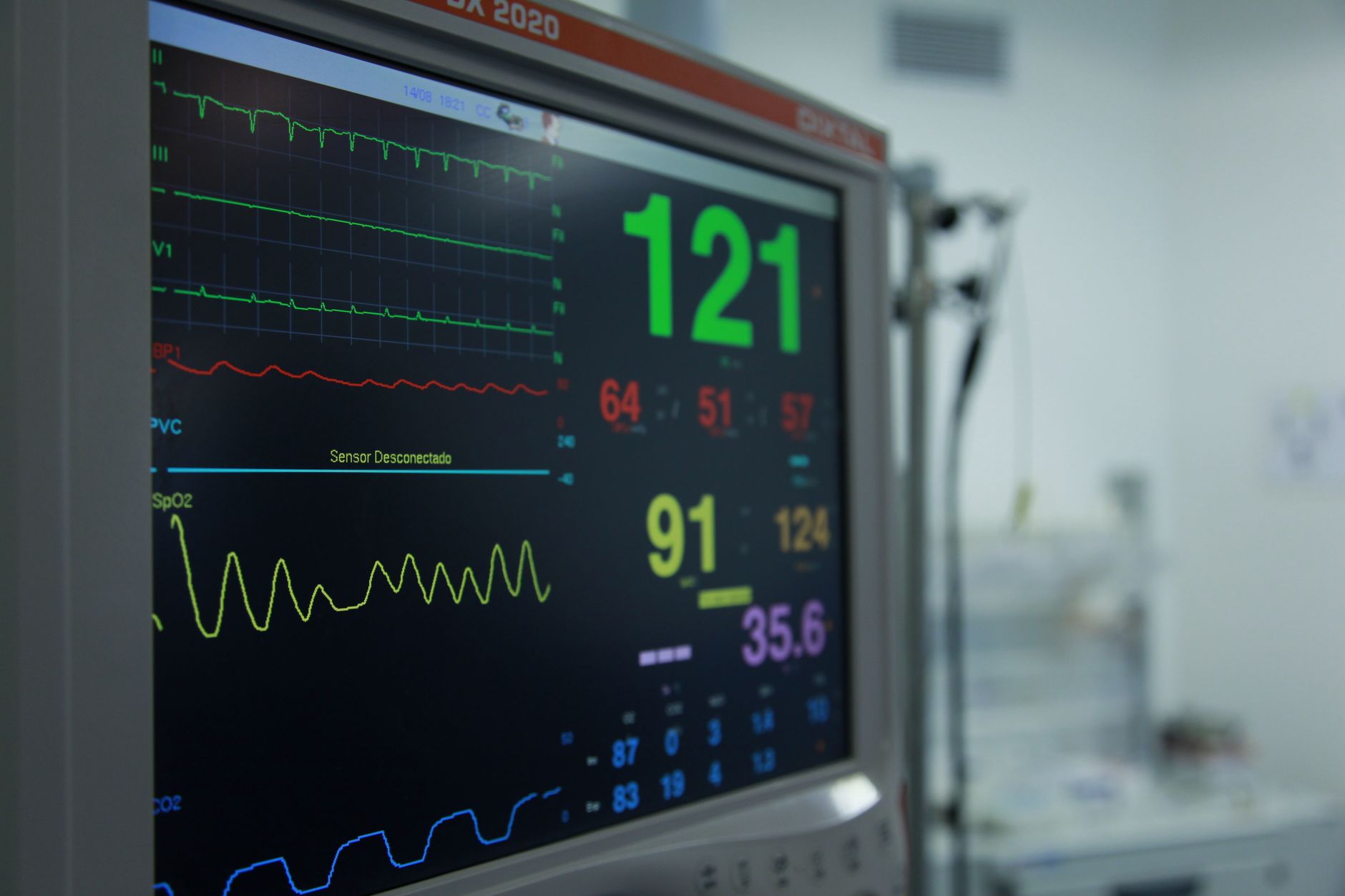
Apple Watch Medical Features — No Fitbit Equivalent
ECG App (FDA-Cleared)
Records a single-lead electrocardiogram in 30 seconds and can detect signs of atrial fibrillation — a feature cleared by the FDA and available in 150+ countries.
Irregular Heart Rhythm Notification
Passively monitors for signs of AFib in the background throughout the day and alerts you if an irregular rhythm is detected.
Crash Detection & Fall Detection
Automatically calls emergency services if a severe car crash or a hard fall is detected — life-saving features Fitbit does not offer.
Blood Oxygen (SpO2) with Clinical Backing
Apple Watch’s SpO2 sensor is validated in peer-reviewed literature; Fitbit offers SpO2 on premium models but without the same clinical validation.
Wrist Temperature Sensor
Tracks nightly wrist temperature trends for cycle tracking and early illness detection — exclusive to Apple Watch Series 8 and later.
High & Low Heart Rate Alerts
Configurable notifications when resting heart rate spikes above or drops below thresholds you set — validated against clinical benchmarks.
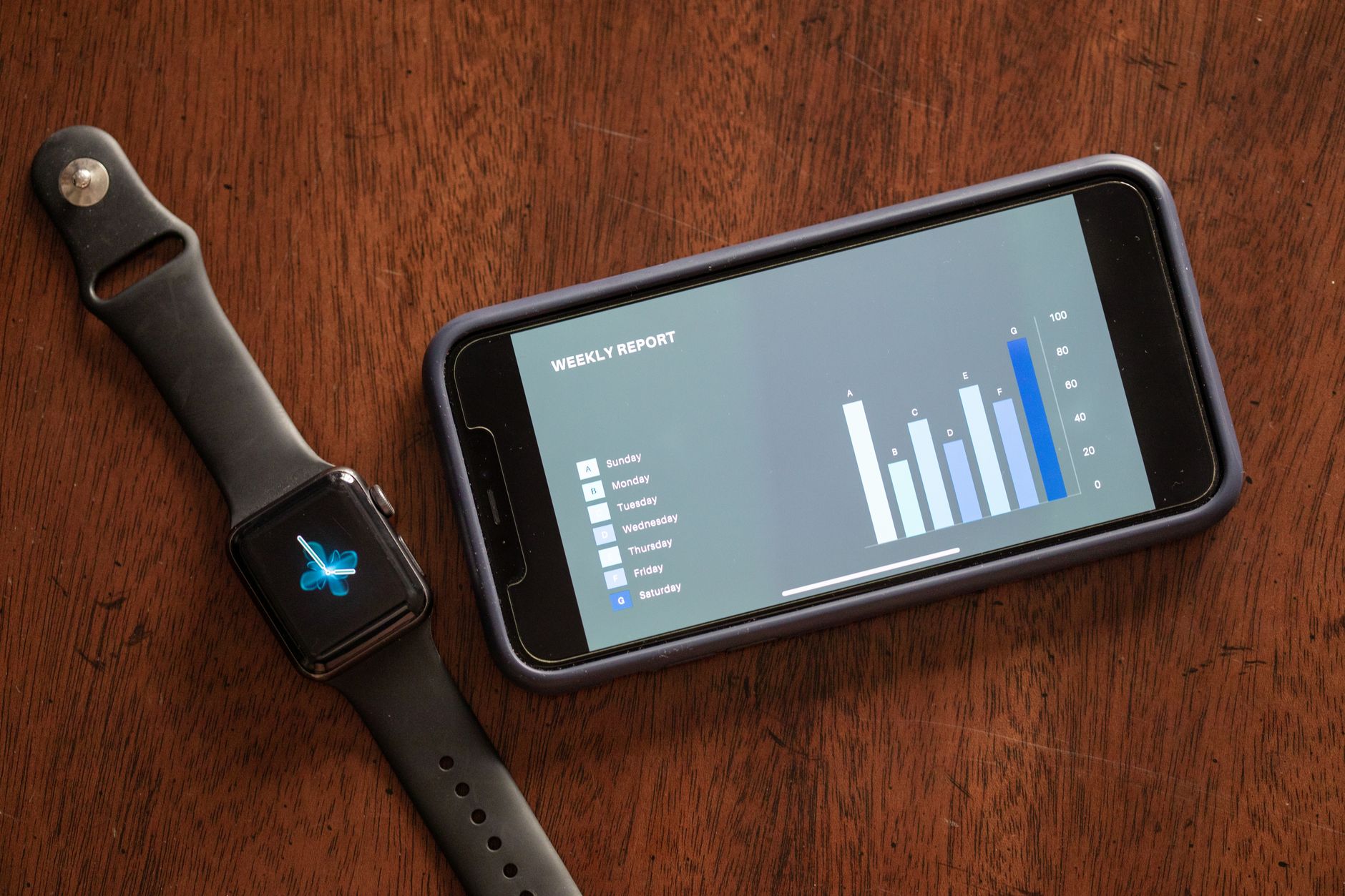
App Ecosystems: watchOS vs Fitbit OS
Apple Watch runs watchOS, giving access to over 10,000 native watch apps across fitness, meditation, navigation, payments, and productivity. The tight integration with iPhone, Apple Health, and the App Store means third-party developers build for Apple Watch first. Fitbit OS is a closed, proprietary platform with a much smaller app library — strong for Fitbit’s own first-party fitness features but limited beyond them. If app breadth and ecosystem depth matter to you, Apple Watch wins decisively.
Battery Life: The Honest Trade-Off
Fitbit Charge 6
Up to 7 days on a single charge. Ideal for users who want continuous sleep tracking across a full week without worrying about nightly charging.
Fitbit Sense 2
Up to 6 days typical use. Fitbit’s flagship wellness device with multi-day endurance and a lower price than Apple Watch.
Apple Watch Series 9
18 hours standard, up to 36 hours in Low Power Mode. Requires daily charging — manageable for most users but a genuine consideration for adventurers.
Apple Watch Ultra 2
Up to 60 hours in Low Power Mode — Apple’s answer to serious outdoor athletes who need multi-day battery without switching to a Fitbit.
Design & Build: Where Apple Watch Pulls Ahead
Apple Watch vs Fitbit: Price Comparison at a Glance
Fitbit Inspire 3 — From $99
Entry-level tracker with 10-day battery, heart rate monitoring, sleep score, and basic Activity Zones. No GPS, no ECG. Best for casual step counters.
Fitbit Charge 6 — From $159
Built-in GPS, Google Maps & Wallet integration, 7-day battery, EDA stress sensor. Fitbit’s best value for serious fitness tracking without smartphone features.
Fitbit Sense 2 — From $249
Fitbit’s wellness flagship: EDA scan, skin temperature, ECG-like reading (FDA-cleared for AFib detection), 6-day battery. Closest Fitbit comes to Apple Watch health features.
Apple Watch SE (2nd Gen) — From $249
Entry-point to Apple Watch: crash detection, heart rate, fitness rings, watchOS app ecosystem. No ECG or Always-On display, but a true smartwatch at Fitbit Sense pricing.
Apple Watch Series 9 — From $399
The sweet spot: FDA-cleared ECG, blood oxygen, wrist temperature, Double Tap gesture, S9 chip, 18-hour battery, full watchOS ecosystem. The benchmark for health wearables.
Apple Watch Ultra 2 — From $799
Built for extreme athletes and medical-grade monitoring: 60-hour battery (Low Power Mode), precision dual-frequency GPS, titanium case, and the most accurate Apple sensors yet.
Head-to-Head Summary: Apple Watch vs Fitbit
Who Should Buy a Fitbit?
Fitbit is a strong choice if your primary goals are step counting, basic sleep tracking, and guided breathing exercises at an accessible price. If you want 6-7 days between charges and don’t need smartphone integration beyond basic notifications, the Fitbit Charge 6 or Sense 2 deliver solid wellness tracking for under $250. Fitbit is also the better option for Android users who want a dedicated fitness band rather than a smartwatch.
Who Should Buy an Apple Watch?
Apple Watch is built for iPhone users who want a health platform — not just a tracker. If you have a history of heart conditions, want clinically validated data to share with your doctor, or need crash detection and emergency SOS on your wrist, Apple Watch Series 9 is the only wearable that delivers. It’s also the right choice if you want a full smartwatch: payments, calls, 10,000+ apps, and deep iOS integration in one device. Explore our full Apple Watch guide for a deeper look at every model and use case.
Frequently Asked Questions
Is Apple Watch more accurate than Fitbit for heart rate?
Independent studies consistently show Apple Watch’s optical heart rate sensor matches clinical-grade chest straps within 1-2 BPM across a range of activities. Fitbit’s sensors are accurate for resting heart rate but show more variance during high-intensity exercise.
Can Fitbit do an ECG like Apple Watch?
Fitbit Sense 2 includes an ECG-like feature that is FDA-cleared for AFib detection. However, Apple Watch’s ECG app has broader clinical validation, is available in more countries, and is backed by a larger body of independent research.
How much does Apple Watch cost vs Fitbit?
Fitbit starts at $99 (Inspire 3) and tops out around $299. Apple Watch starts at $249 (SE, 2nd gen) and reaches $799 for the Ultra 2. The Series 9 at $399 is the sweet spot for most users wanting medical-grade health features.
Does Apple Watch work with Android?
No — Apple Watch requires an iPhone running iOS 17 or later. If you use an Android smartphone, Fitbit is compatible across both iOS and Android platforms.
Which is better for sleep tracking — Apple Watch or Fitbit?
Fitbit’s multi-day battery makes it easier to wear continuously, including overnight, without interrupting your charging routine. Apple Watch tracks sleep well but requires charging during the day or a brief top-up before bed to maintain overnight tracking.
Is Apple Watch worth the higher price over Fitbit?
For iPhone users who want FDA-cleared health monitoring, full smartwatch capabilities, and a rich app ecosystem, Apple Watch Series 9 is worth the premium. For budget-conscious users or Android owners focused purely on fitness, a Fitbit Charge 6 or Sense 2 offers strong value.
Ready to Go Deeper on Apple Watch?
Our complete Apple Watch guide covers every model, health feature, and use case in detail — everything you need to make the right choice.